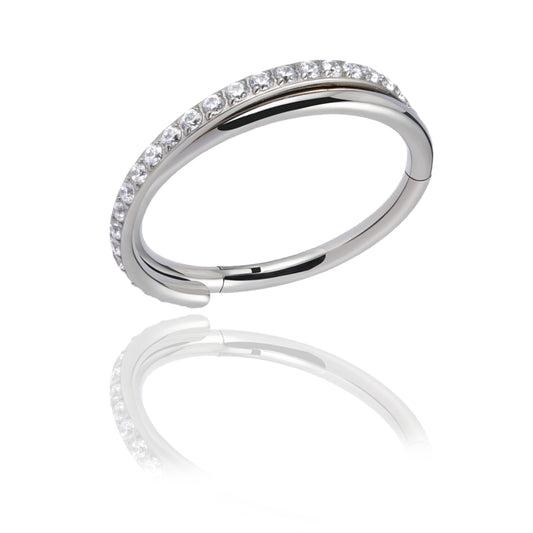
Oral Piercings: Tongue, Labret, Lip, Smiley
Oral piercings require specific precautions, as they are directly exposed to food, drinks, mouth bacteria, teeth, and chewing movements.
Good Habits During Meals
- eat slowly;
- cut your food into small bites;
- avoid very hot foods for the first few days;
- chew carefully so as not to bite the jewelry;
- avoid playing with the jewelry;
- rinse your mouth after meals according to your piercer's advice;
- use a soft, clean toothbrush;
- avoid sharing glasses, cutlery, or straws during the first few days.
Tongue Swelling
After a tongue piercing, swelling may occur. Cold foods or cool drinks can sometimes provide temporary relief, as long as they are not acidic or irritating.
However, if the swelling becomes significant, impedes breathing, increases rapidly, or is accompanied by worrisome signs, you should seek medical advice promptly.
Alcohol, Tobacco, and Piercings: Why Avoid Them?
Alcohol and tobacco are not foods, but they have a direct influence on comfort and healing, especially for oral piercings.
Alcohol
Alcohol can irritate tissues, promote dry mouth, and complicate care. Alcoholic mouthwashes should also be avoided if your piercer has recommended an alcohol-free solution.
Tobacco and Chewing Products
Smoke, nicotine, and chewing products can irritate the mouth and slow down already sensitive healing. If you have a tongue, lip, labret, or smiley piercing, reduce consumption as much as possible, especially at the beginning.
Simple Meal Ideas After an Oral Piercing
Here are some gentle ideas for the first few days, to be adapted according to your tolerance and your piercer's advice.
| Time |
Gentler Ideas |
To Avoid Initially |
| Breakfast |
Compote, lukewarm porridge, mild smoothie, scrambled eggs. |
Boiling coffee, acidic citrus fruits, very crunchy cereals. |
| Lunch |
Lukewarm soup, puree, tender fish, soft rice, cooked vegetables. |
Very hard bread, spicy dish, acidic sauce, chips. |
| Snack |
Banana, compote, cottage cheese if tolerated, non-acidic cool drink. |
Hard candies, chewing gum, very salty snacks. |
| Dinner |
Well-cooked pasta, omelet, enriched soup, tender tofu, tender vegetables. |
Very hot, very crunchy, or very spicy foods. |
When to Seek Advice?
Some sensitivity, slight swelling, or discomfort at first can be normal depending on the piercing. But certain signs should prompt you to seek advice quickly.
- pain that increases instead of decreases;
- significant or worsening swelling;
- spreading redness;
- yellow, green, or foul-smelling discharge;
- fever, malaise, or unusual fatigue;
- difficulty swallowing, speaking, or breathing after an oral piercing;
- jewelry that is sinking in or seems too short;
- persistent irritation despite correct care.
When in doubt, contact your piercer. If the signs suggest an infection or worsen, consult a healthcare professional. You can also read our article: infected or irritated piercing.
For more information
FAQ: Piercings and Diet
What to eat after a tongue piercing?
Opt for cold or lukewarm foods that are easy to chew: compotes, lukewarm soups, purees, scrambled eggs, mild smoothies, soft rice, or well-cooked pasta. Initially avoid very hot, spicy, acidic, salty, hard, or sticky foods.
What foods to avoid after an oral piercing?
In the first few days, especially avoid very spicy, very acidic, very salty, very hot, hard, or sticky foods. They can irritate the area, make chewing difficult, or snag the jewelry.
Can you drink alcohol after a piercing?
It's best to avoid alcohol initially, especially with an oral piercing. Alcohol can irritate tissues, dry out the mouth, and complicate comfort during healing.
Can you consume dairy products after a tongue piercing?
It's not necessarily forbidden for everyone, but some dairy products can leave residue or be unpleasant depending on sensitivity. If you consume them, rinse your mouth gently after eating and follow your piercer's recommendations.
Should you eat cold food after an oral piercing?
Cool foods or drinks can temporarily relieve swelling and discomfort. Just avoid very acidic, overly sweet, or irritating products.
Does diet really speed up piercing healing?
A balanced diet supports the body during healing, but it doesn't guarantee faster healing. Aftercare, jewelry, hygiene, sleep, and avoiding friction remain essential.
Should I take supplements after a piercing?
Not necessarily. If your diet is varied, it's generally not needed. In case of deficiency, a particular diet, or a health problem, consult a healthcare professional before taking supplements.
What to do if eating becomes difficult after a piercing?
Adjust textures, take small bites, and avoid irritating foods. If pain, swelling, or discomfort increases, or if you have difficulty swallowing or breathing, seek medical advice quickly.
Conclusion
After a piercing, your diet doesn't need to be perfect, but it should help your body rather than complicate things. Eat enough, hydrate, choose simple and soft foods, and temporarily avoid anything that might irritate the area.
For oral piercings, be even more careful: temperature, texture, acidity, alcohol, tobacco, and food residues can truly influence your daily comfort.
And once your piercing has healed, or when your piercer approves a jewelry change, you can choose a reliable and comfortable piece from our collection of ASTM F-136 titanium piercing jewelry.
Note: this article is for informational purposes only. In case of significant pain, increasing swelling, abnormal discharge, fever, difficulty swallowing, or medical doubt, seek advice from a healthcare professional.
Sources