The Navel, a Body Piercing to Wear for a Long Time
The navel piercing is located at the upper rim of the navel; this is the most common placement, sometimes called "top navel." It's a surface piercing: the bar passes through a layer of skin rather than cartilage, which explains why the choice of jewelry directly influences the quality of healing.
Jewelry that is too heavy, too long, or made from a poor material can cause chronic irritation or promote rejection. This is why ASTM F-136 titanium is the best possible choice here: lightweight, non-allergenic, durable, and tolerated by even the most sensitive skin.
What You Will Find in This Collection
This collection brings together ASTM F-136 titanium navel piercing jewelry, in various styles to accompany all stages of your piercing:
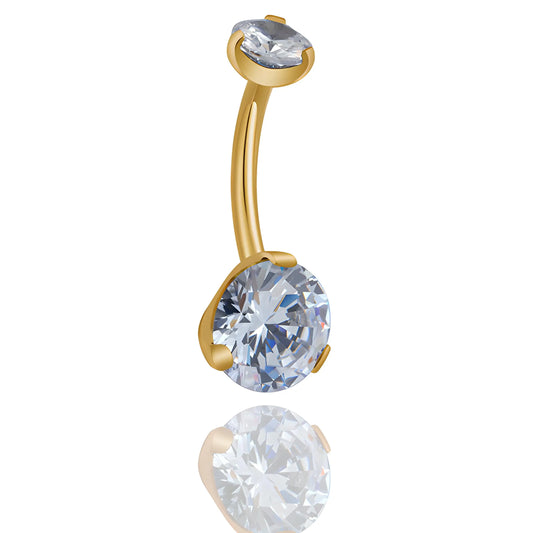
- Classic barbells with a screwed upper ball and decorative end; the ideal initial jewelry for serene healing.
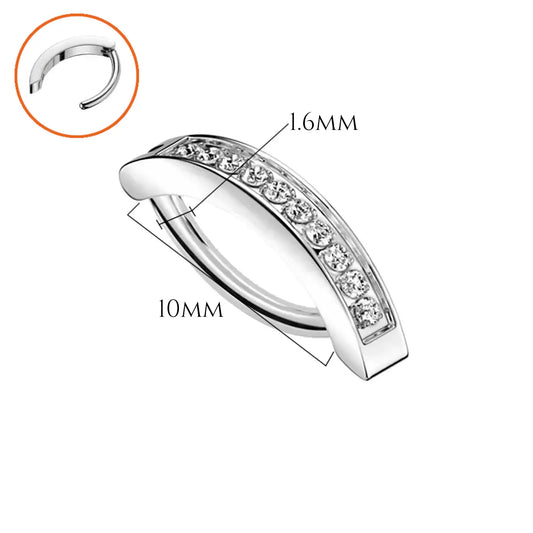
- Shield models for a more imposing and graphic look but unparalleled comfort, to be worn once the piercing is well stabilized.
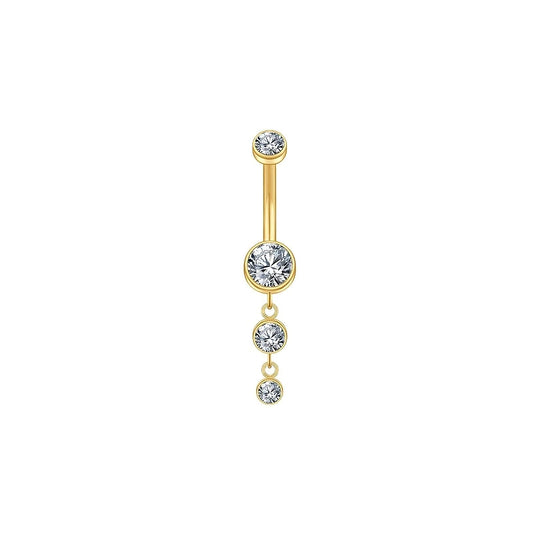
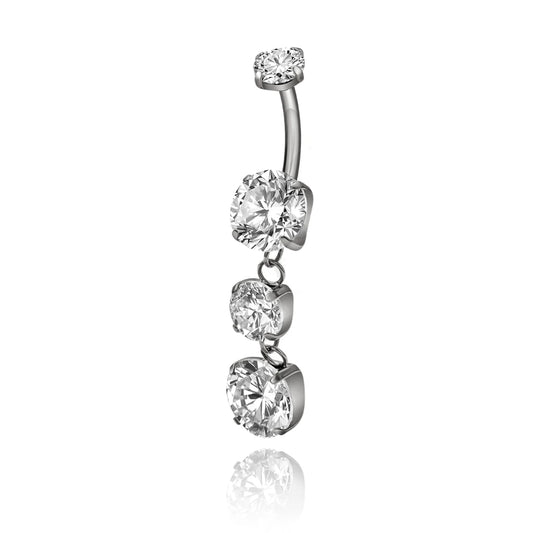
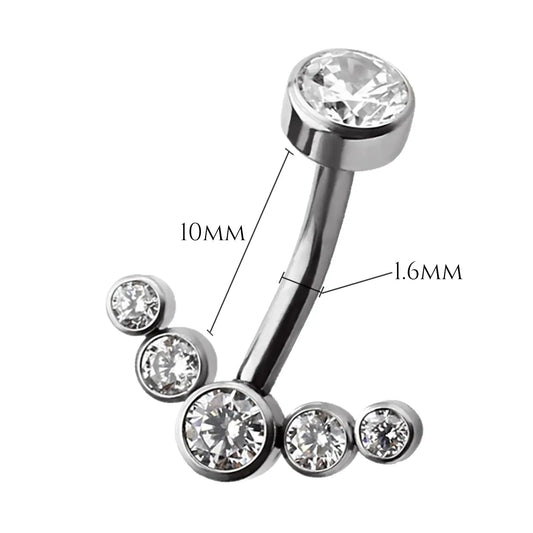
- Dangles and floating belly rings for a suspended and elegant effect, highlighting the navel without weighing down the look.
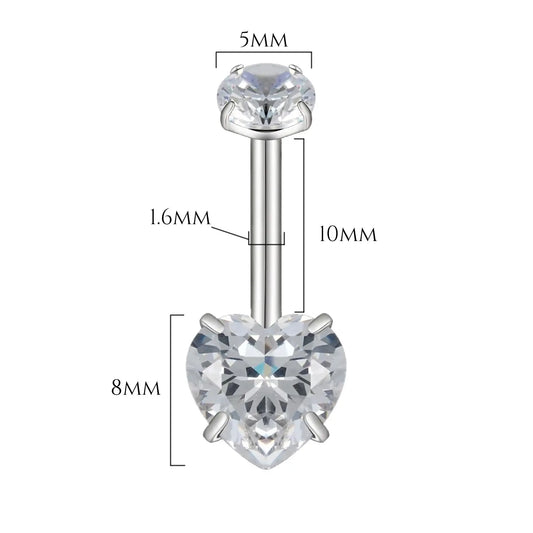
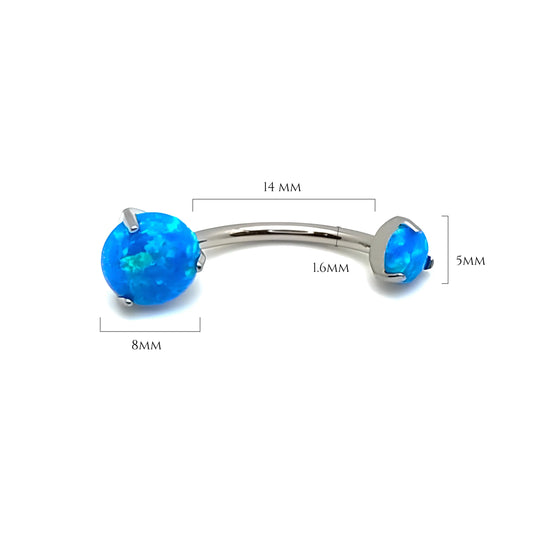
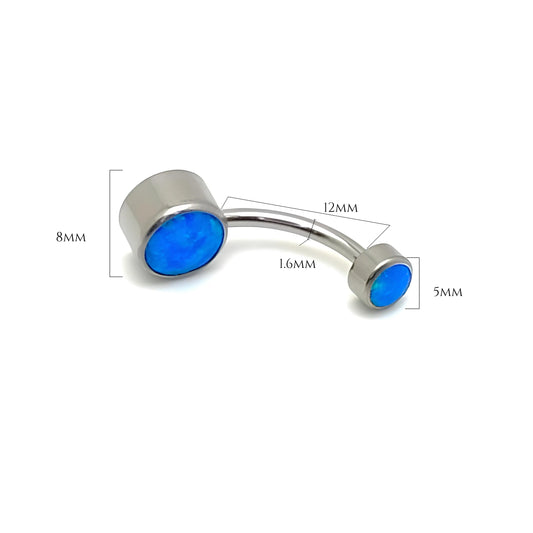
- Ornaments in blue opals or zircons to add light and color.
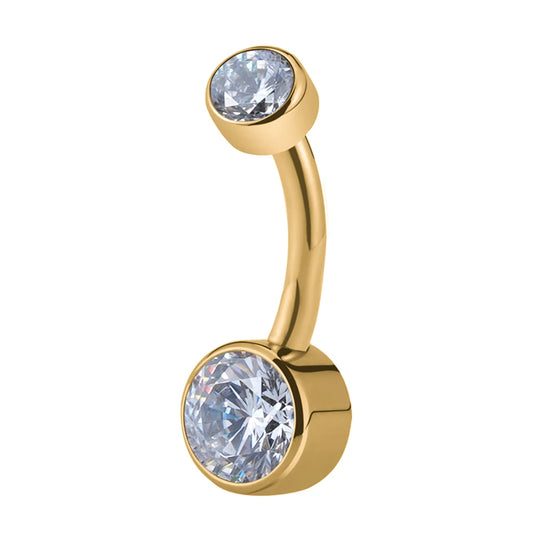
- Natural silver titanium or PVD gold finishes to harmonize with your style and other jewelry.
All this jewelry shares the same base: implant-grade titanium, chosen for its lightness and compatibility with sensitive skin, even during the months of healing.
Barbell, Shield, or Dangle: Which Jewelry for Which Moment?
The choice of jewelry type depends primarily on the stage you are at with your piercing:
-
For initial piercing: opt for a simple titanium ASTM F-136 curved barbell, long enough to accommodate initial swelling (12 mm generally). Simple jewelry, without a dangle, limits snagging and promotes stable healing.
-
Once healed: you can switch to a shorter model (10 mm) and let your desires run wild: shields, dangles, opals, zircons. This is when floating piercings truly come into their own.
-
For an existing piercing: simply check the thickness of your current bar (1.6 mm is the standard for navels) and the length that suits you before ordering.
Pairing Your Navel with Other Piercings
The navel piercing can be worn alone or as a complement to other body piercings. If you wish to take your project further:
By sticking to a common base of ASTM F-136 titanium, you ensure visual consistency and optimal comfort for all your placements.
FAQ - Navel Piercing and Titanium Jewelry
Which jewelry to choose for a healing navel piercing?
For a freshly pierced navel, a simple ASTM F-136 titanium curved barbell is the standard. It stays in place well, limits friction, and supports initial swelling without compressing the area. Most often, a 12 mm length is used for the initial piercing, then return to your piercer for a downsize once the swelling has reduced.
How long does a navel piercing take to heal?
The navel piercing is one of the longest to heal: expect between 6 and 18 months depending on your lifestyle, clothing, and the quality of care provided. Some people notice a "healed" appearance long before internal healing is complete: do not change jewelry too soon.
Is titanium suitable for a navel piercing?
Yes, it's even the most recommended material. ASTM F-136 titanium is hypoallergenic, lightweight, nickel-release-free, and biocompatible. For a surface piercing like the navel, which is in constant contact with clothing and body movements, a quality material makes a real difference in tolerance and healing.
Can I wear a dangle directly after piercing?
No. Dangles and floating models should be reserved for already stabilized piercings. A dangle moves, snags on clothing, and puts traction on the bar: exactly what should be avoided during healing. Start with a simple curved barbell, switch to a dangle once you've consulted your piercer.
What thickness and length should I choose for navel jewelry?
The standard for a navel piercing is a thickness of 1.6 mm (14G). For length, 12 mm for initial piercing (to accommodate swelling), then 10 mm once the piercing is stabilized. If you are unsure, refer to your current jewelry or ask your piercer during the downsize.
How to clean and care for a navel piercing?
Clean the navel twice a day with saline solution, gently, without rubbing or rotating the jewelry. Avoid pools, baths, and spas during the first few months. Also, be wary of high-waisted clothing that rubs against the piercing: opt for loose cuts during healing.
When can I change my navel jewelry?
Not until the piercing is fully healed, which can take more than a year depending on the person. The outside may seem healed long before the internal channel is stable. Before attempting a first change alone, have it checked by your piercer: they will be able to tell you if the time is right and help you remove the jewelry safely.