What is a Daith piercing?
A daith piercing is a perforation of the cartilage located in the crease of the ear. It sits between the tragus and the rook, in a small area called the " root of the helix ." Unlike other ear piercings that are more visible, the daith is relatively discreet because it is located close to the ear canal. However, despite its small size, it is considered one of the most painful piercings due to the thickness of the cartilage in this area.

INSTAGRAM / @bellathorne via @nyc.piercing
If you also want to understand the symbolism of different ear piercings, you can read our article dedicated to the meaning of ear piercings .
Does a Daith piercing hurt?
The daith piercing goes through a fairly thick area of cartilage, which is why it's often considered one of the most sensitive ear piercings. The pain is brief, but more intense than with a helix or conch piercing: many people describe a strong pressure, followed by a rapid peak that subsides almost immediately.
The sensation may be more pronounced if the area is somewhat closed or difficult to access, as the piercer must position the needle precisely to avoid putting any strain on the cartilage. Once the piercing is done, slight warmth, tension, or a localized pulse are normal for a few days.
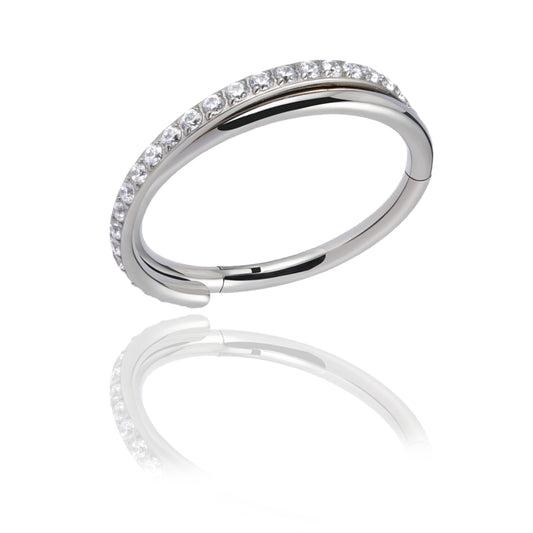
The level of pain also depends on your body shape, your stress level, but above all on the piercer's technique and the choice of jewelry. A clean piercing, performed with a sterile needle and a perfectly fitted ASTM F-136 titanium piece of jewelry, significantly reduces discomfort and promotes better healing.
Does Daith really relieve migraines?
The Daith piercing is sometimes presented as an "anti-migraine" piercing. This idea stems from its placement, near a point used in acupuncture. Some people report feeling better after getting the piercing, but these are individual accounts: to date, no solid scientific study has proven its effectiveness against migraines.
The slight improvement reported by some clients may be due to a focusing effect or placebo effect, which doesn't diminish personal experience but is not a substitute for medical care. Therefore, if you suffer from frequent or severe migraines, a Daith piercing should not be considered a treatment. It can be worn for its aesthetic appeal, its symbolism, or simply because you like it, but never as a medical solution.
The price of a Daith piercing
As with all piercings, the cost of a daith piercing can vary depending on different factors such as geographical location, the reputation of the piercer and the type of jewelry chosen.
Generally, you can expect to pay between 50 and 100 euros for the piercing itself, not including the price of the jewelry. It's important to choose an experienced and qualified piercer to ensure a quality piercing and avoid complications.
Daith piercing healing
Daith piercings can take between six and twelve months to heal, or even longer, depending on the individual. As with any piercing, it's essential to follow proper aftercare instructions to promote optimal healing. Here are some tips for caring for your daith piercing during the healing period:
- Gently clean the area around the piercing twice a day with a sterile saline solution . Use a sterile cotton swab or a sterile non-woven gauze pad moistened with saline solution to avoid contamination.
- Avoid touching or handling the piercing with dirty hands . Wash your hands thoroughly before performing any aftercare.
- Avoid changing the jewelry before the piercing is completely healed. This can interfere with the healing process and increase the risk of infection.
- Avoid sleeping on the side of your piercing while it heals. Use a memory foam pillow to reduce pressure on the piercing area. Or even better, a travel pillow with a hole in the center will keep your ear suspended and prevent it from rubbing against your pillow all night. Remember to use a clean pillowcase as well.
- Avoid all contact with potentially irritating substances such as hair products, cosmetics and chemical cleaning products.
For more details, see our aftercare guide for your piercings.
If you notice any signs of infection, such as redness, swelling, pus, or excessive pain, consult a healthcare professional or see your piercer immediately.
The risks and complications of Daith piercing
As with any piercing, there are certain risks and complications associated with daith piercings. The most common include:
- Infection: If proper aftercare is not followed, the piercing can become infected. Signs of infection include redness, pain, swelling, and pus drainage. Consult a healthcare professional if you suspect an infection, or see your piercer.
- Rejection: It's extremely rare, but sometimes the body rejects the piercing jewelry, which can lead to the jewelry shifting or falling out completely. If you notice any migration of the jewelry or an increase in the visibility of the piercing, consult your piercer.
- Scarring: Some people may develop scarring around the piercing, especially if they have a genetic predisposition to excessive scarring. Following proper aftercare is essential to minimize the risk of growths (also called hypertrophic scars ). Keloids and hypertrophic scars: how to avoid them
It's important to consider these potential risks before deciding to get your daith pierced. Speak to a healthcare professional or an experienced piercer for personalized advice and recommendations.