The signs of a well-healed piercing
Here are the main elements that indicate a piercing is likely well healed.
1. There is no longer any pain or abnormal sensitivity
When you clean the area or the jewelry moves slightly in daily life, you no longer feel pain, pulling, or inflammation.
2. The skin around the jewelry has become even again
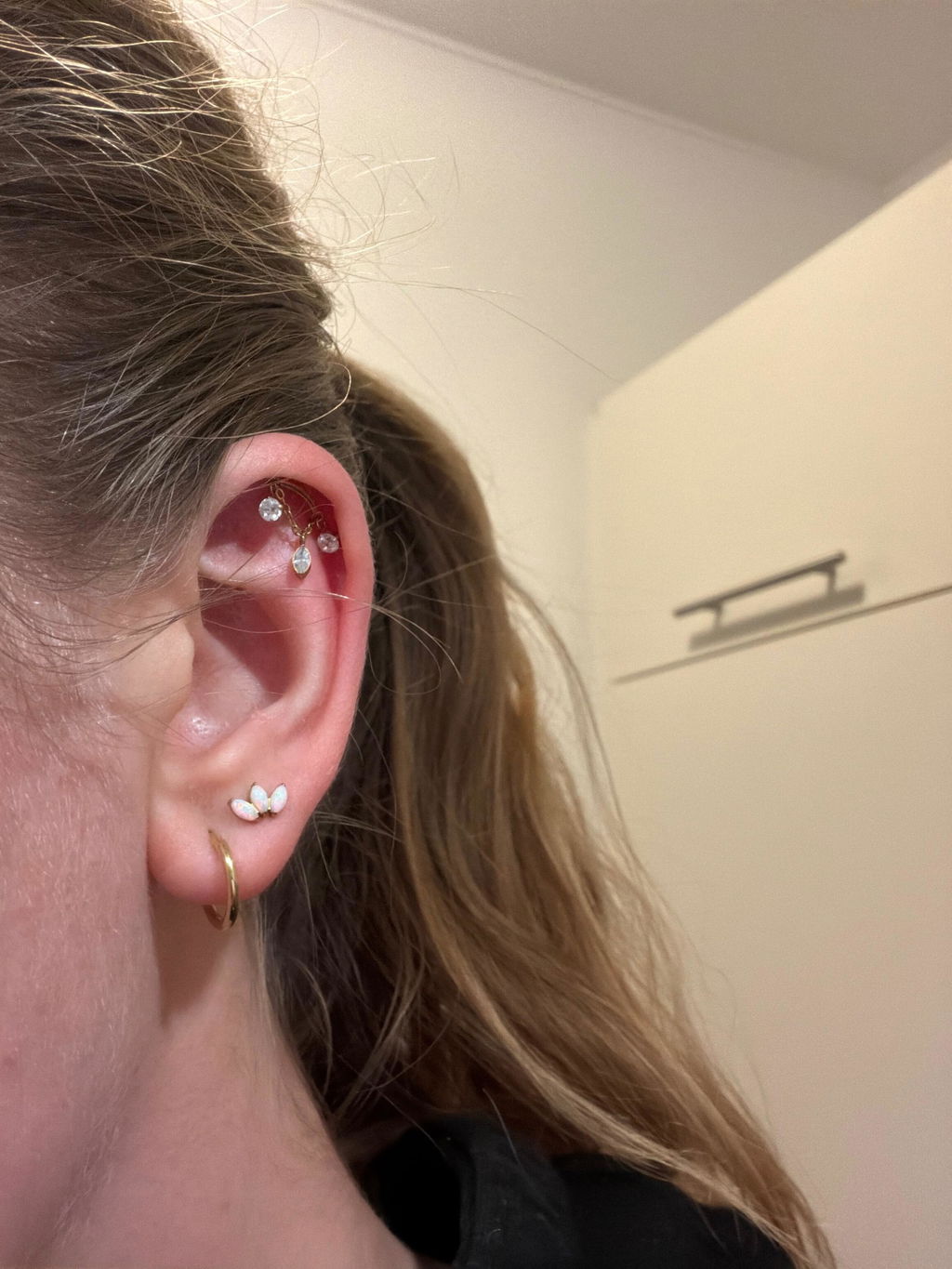
The area is visually more stable: no persistent redness, no unusual swelling, no suspicious bumps. The skin gradually regains an appearance close to that of the surrounding area.
3. There is no longer any discharge
In the beginning, a little lymph or dry deposit may be observed. However, once the piercing is well healed, there should no longer be any unusual discharge or regular secretions.
4. The jewelry is well tolerated daily
The jewelry no longer causes any particular discomfort during everyday movements. You no longer feel a reaction when you lightly sleep on it, clean the area, or move normally.
5. There are no longer any scabs or recurring swelling
A healed piercing no longer alternates between calm periods and minor flare-ups for no apparent reason. If scabs, redness, or swelling return frequently, the area may not yet be fully stabilized.
Important point: the external appearance is not always enough. A piercing can look healed visually while the internal channel remains fragile.
Mistakes to avoid
Relying solely on appearance
Just because a piercing is "beautiful" doesn't mean it's necessarily ready to be handled. The absence of redness is not always enough to confirm complete healing.
Testing the area by turning or manipulating the jewelry
Turning the jewelry to "see if it's okay" is rarely a good idea. It can irritate the channel, create micro-lesions, and restart an unnecessary inflammatory phase.
Changing jewelry too early
Even if you're eager to try a new style, replacing the jewelry before sufficient healing can compromise the entire process.
When to consult a piercer or professional?
A check-up is recommended if you observe any of the following signs:
- a persistent redness;
- a swelling that returns or does not disappear;
- a yellow, green, foul-smelling, or unusual discharge;
- a pain that persists even though the piercing is already several weeks or months old;
- a feeling of migration, rejection, or abnormal discomfort;
- an area that is hot, very sensitive, or deteriorating.
When something seems abnormal to you, it's better to have it checked than to let it linger. A simple jewelry adjustment, appropriate advice, or medical opinion can prevent a more troublesome complication.
Good habits once your piercing is healed
A healed piercing requires less attention than at the beginning, but it still deserves a few good habits to remain comfortable and stable over time.
- Clean it occasionally if needed, especially after dirty or irritating activities.
- Remove your jewelry only when necessary, and always with clean hands.
- Choose high-quality jewelry: ASTM F-136 titanium as a priority, or certified 316LVM steel for already well-stabilized piercings.
- Stay attentive to repeated friction, sports, helmets, headphones, or anything that can recreate irritation.
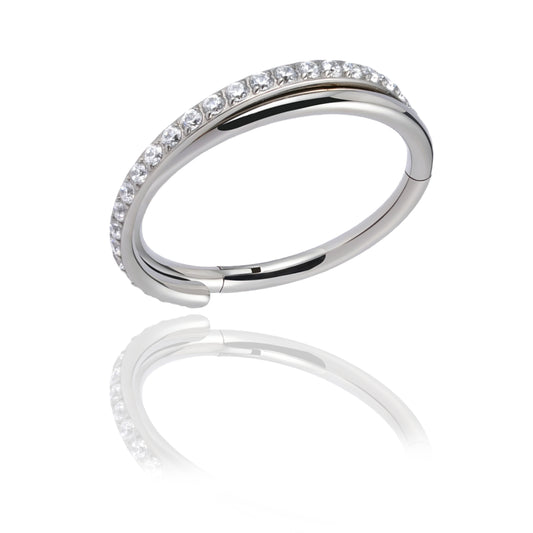
Once healed, it's also the ideal time to change jewelry and explore new styles. Discover our complete collection of ASTM F-136 titanium jewelry: pieces designed to combine long-term comfort and aesthetics. For a healed conch, you can also find our jewelry adapted to conch piercings directly.
In summary
A well-healed piercing is a stable, calm, and well-tolerated piercing in daily life. It no longer hurts, no longer swells, no longer produces unusual discharge, and no longer reacts to the slightest movement.
But always keep in mind that a beautiful external appearance is not enough on its own. Patience remains an essential part of healing, as does the choice of the right jewelry and the absence of unnecessary handling.
And when you have a doubt, the best course of action remains to ask for your piercer's opinion.
To go further: if you observe a small bump near your piercing despite apparent good healing, read our article on keloids and growths - and also consult our complete healing guide.