Signs of a well-healed piercing
Here are the main elements that indicate a piercing is likely well-healed.
1. There is no more pain or abnormal sensitivity
When you clean the area or the jewelry moves slightly in daily life, you no longer feel pain, pulling, or an inflammatory sensation.
2. The skin around the jewelry has become uniform again
The area is visually more stable: no persistent redness, no unusual swelling, no suspicious bumps. The skin gradually regains an appearance similar to that of the surrounding area.
3. There is no more discharge
Initially, some lymph or dry crusts may be observed. However, once the piercing is well-healed, there should be no more unusual discharge or regular secretions.
4. The jewelry is well tolerated in daily life
The jewelry no longer causes any particular discomfort in common movements. You no longer feel a reaction when you sleep lightly on it, clean the area, or move normally.
5. There are no more scabs or recurring swelling
A healed piercing no longer alternates between calm periods and minor relapses for no apparent reason. If scabs, redness, or swelling frequently return, the area may not yet be totally stabilized.
Important point: the external appearance is not always enough. A piercing may seem visually healed when the internal channel is still fragile.
Mistakes to avoid
Relying solely on appearance
Just because a piercing looks "good" doesn't mean it's necessarily ready to be handled. The absence of redness is not always enough to confirm complete healing.
Testing the area by turning or manipulating the jewelry
Turning the jewelry to "see if it's okay" is rarely a good idea. This can irritate the channel, create micro-lesions, and restart an unnecessary inflammatory phase.
Changing jewelry too soon
Even if you're eager to try a new style, replacing the jewelry before sufficient healing can jeopardize the entire process.
When to consult a piercer or professional?
A check-up is recommended if you observe any of the following signs:
- persistent redness;
- swelling that returns or doesn't disappear;
- yellow, green, foul-smelling, or unusual discharge;
- persistent pain even though the piercing is several weeks or months old;
- a feeling of migration, rejection, or abnormal discomfort;
- an area that is hot, very sensitive, or deteriorating.
When something seems abnormal to you, it's better to have it checked than to let it linger. A simple jewelry adjustment, appropriate advice, or medical opinion can prevent a more bothersome complication.
Good habits once your piercing is healed
A healed piercing requires less attention than at the beginning, but it still deserves some good habits to remain comfortable and stable over time.
- Clean it occasionally if needed, especially after dirty or irritating activities.
- Remove your jewelry only when necessary, and always with clean hands.
- Choose high-quality jewelry: ASTM F-136 titanium primarily, or certified 316LVM steel for already well-stabilized piercings.
- Stay mindful of repeated friction, sports, helmets, headphones, or anything that could re-create irritation.
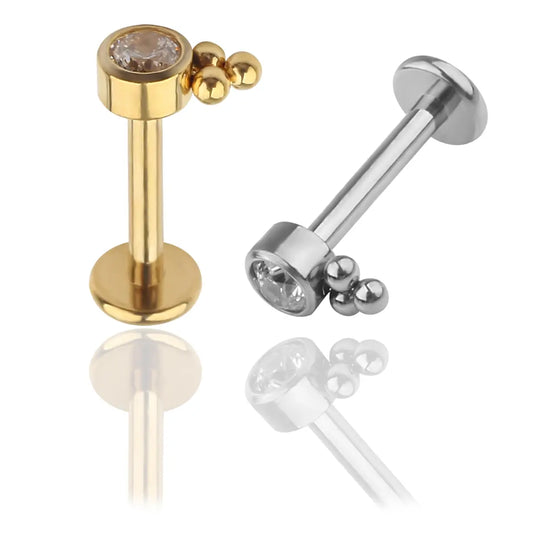
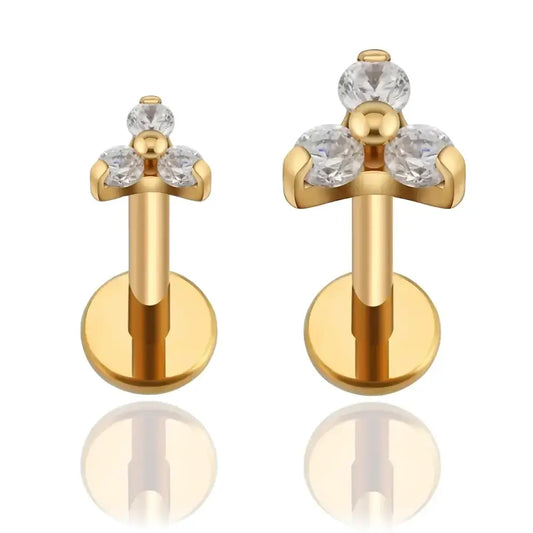
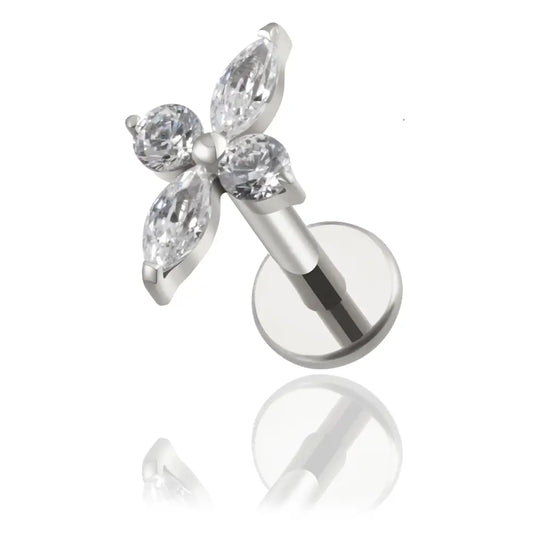
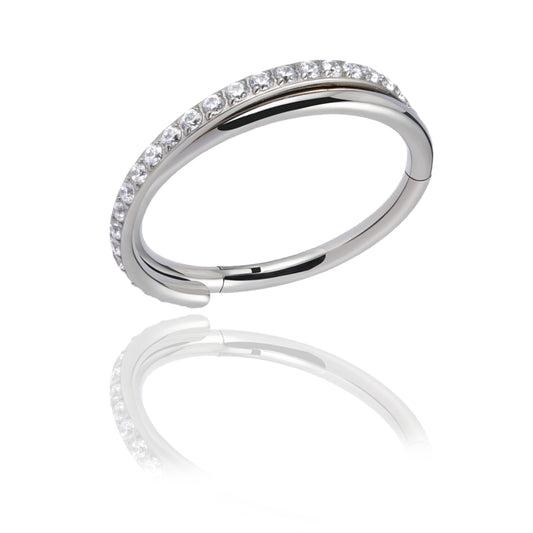
Once healed, it's also the ideal time to change your jewelry and explore new styles. Discover our complete collection of ASTM F-136 titanium jewelry — pieces designed to combine long-term comfort and aesthetics.
In summary
A well-healed piercing is a stable, calm, and well-tolerated piercing in everyday life. It no longer hurts, no longer swells, produces no unusual discharge, and no longer reacts to the slightest movement.
But always keep in mind that a good external appearance alone is not enough. Patience remains an essential part of healing, as does choosing the right jewelry and avoiding unnecessary manipulation.
And when in doubt, the best course of action is to ask your piercer for advice.
To go further: if you notice a small bump near your piercing despite apparent good healing, read our article on keloids and growths - and also consult our complete piercing healing guide.