



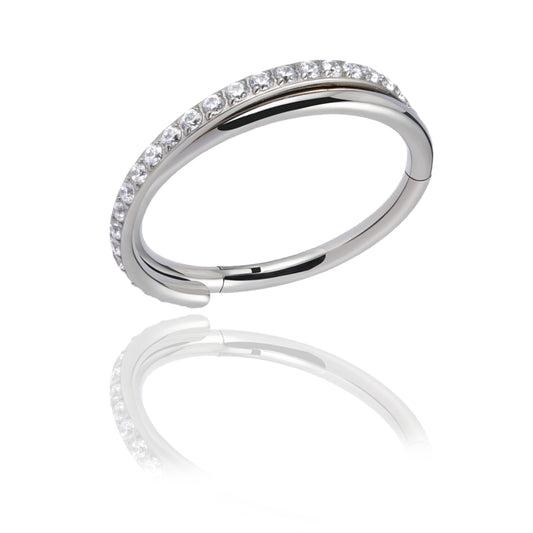
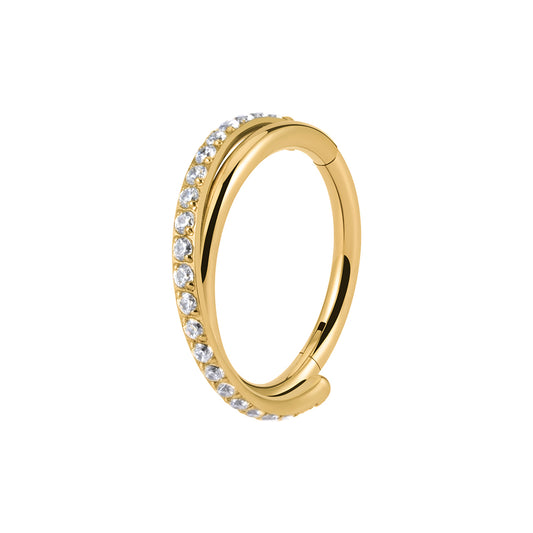

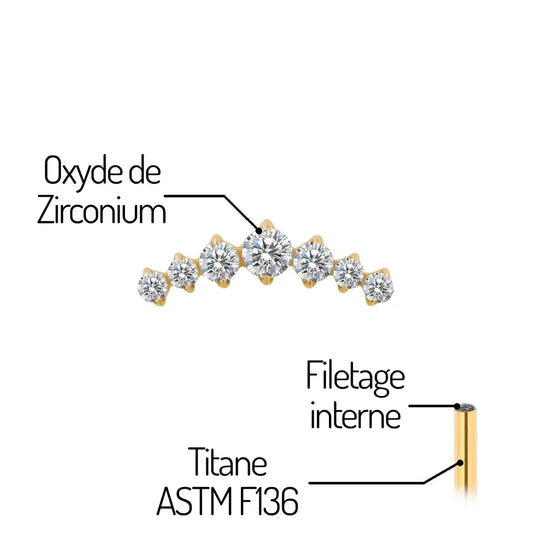

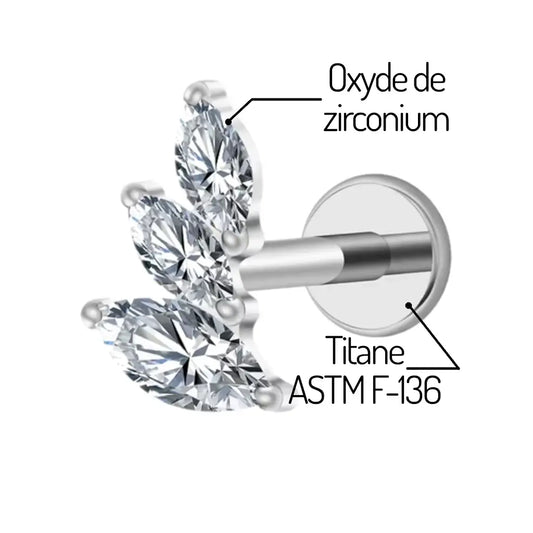
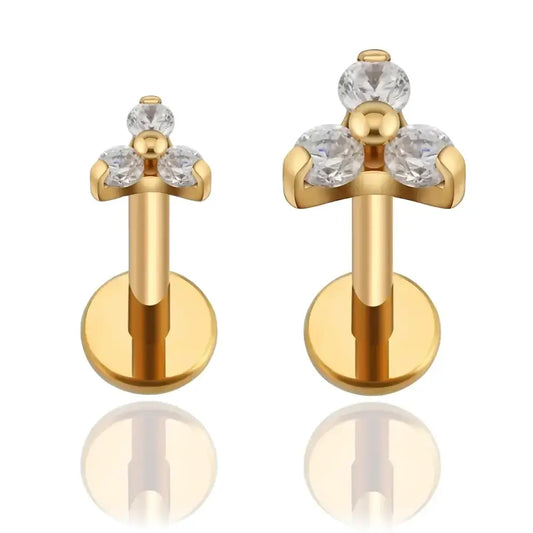
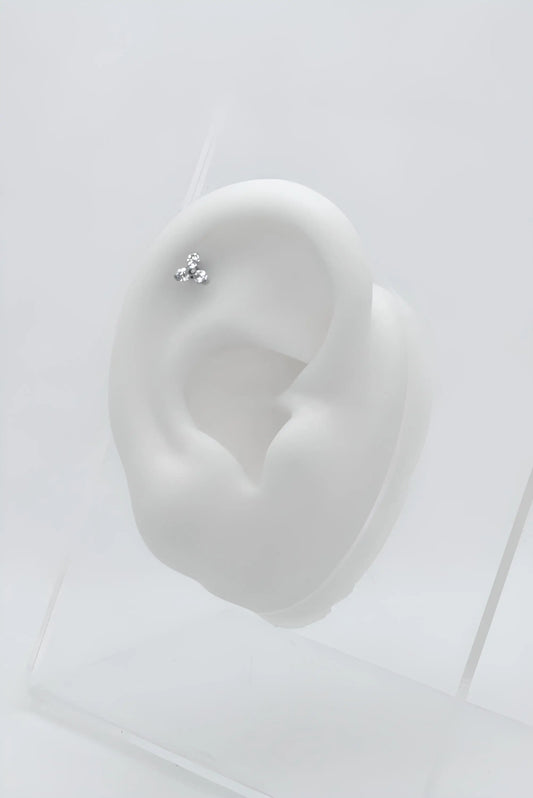

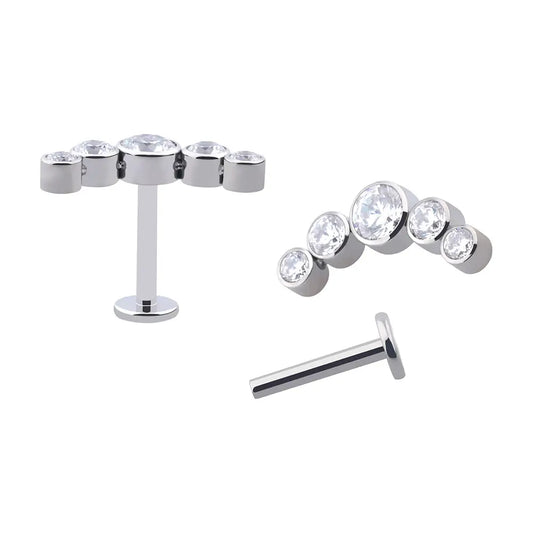

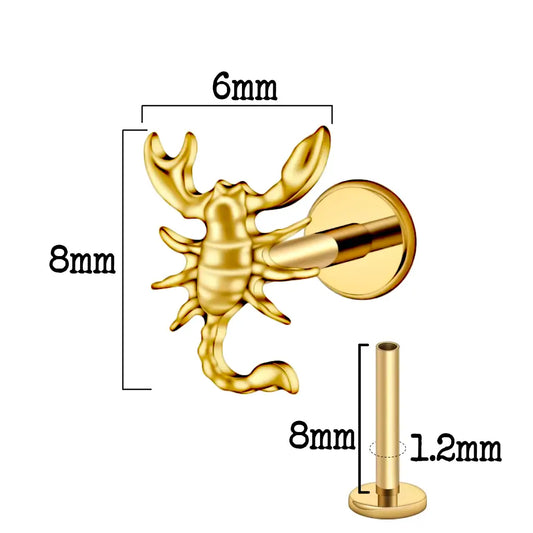

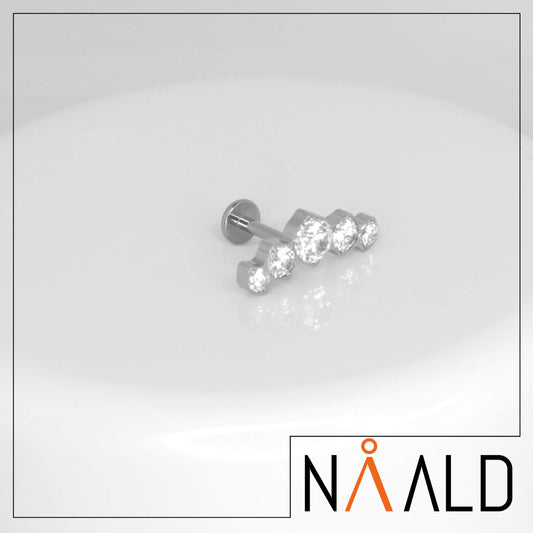

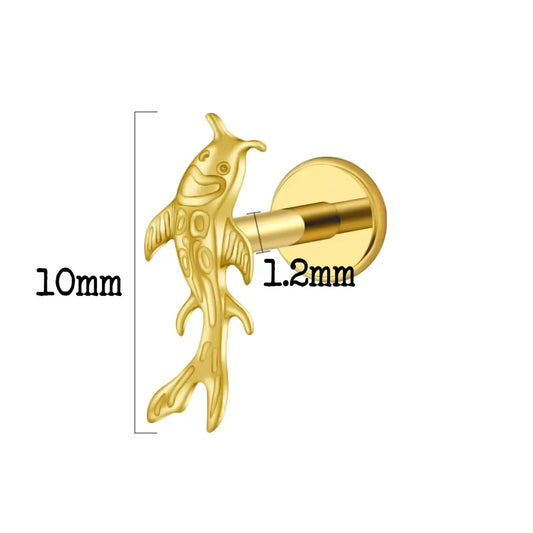
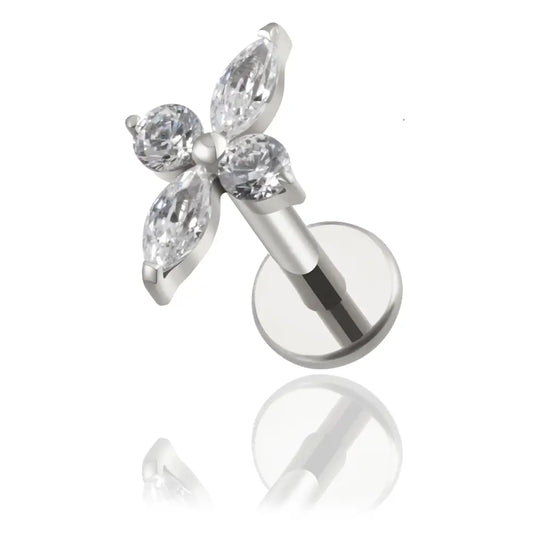
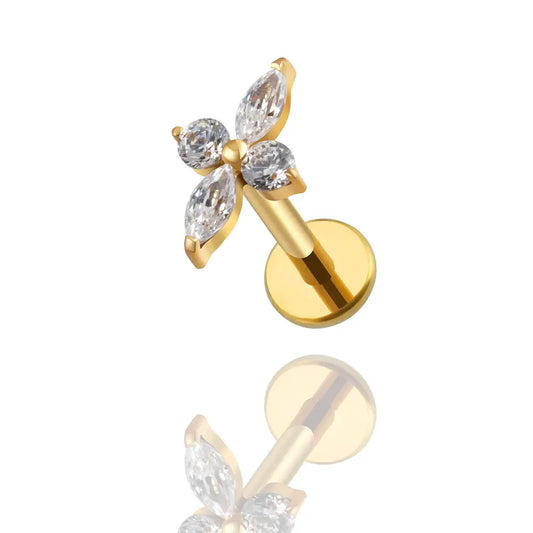

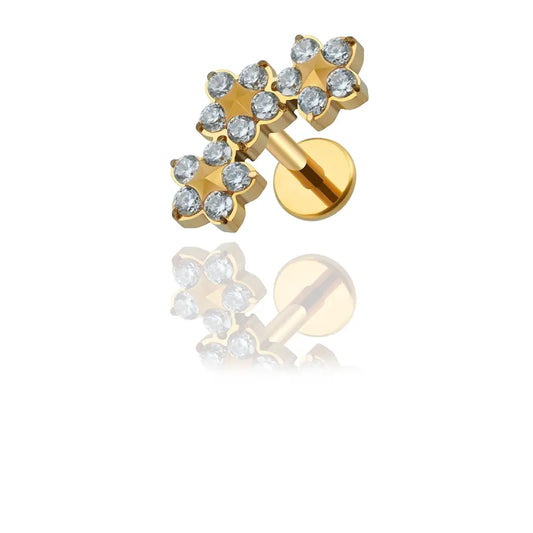


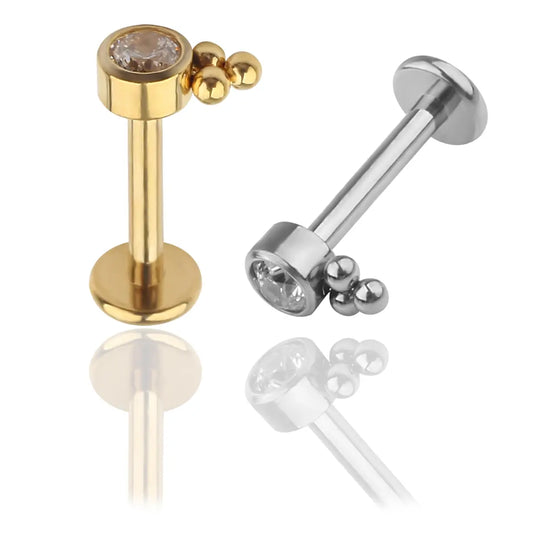


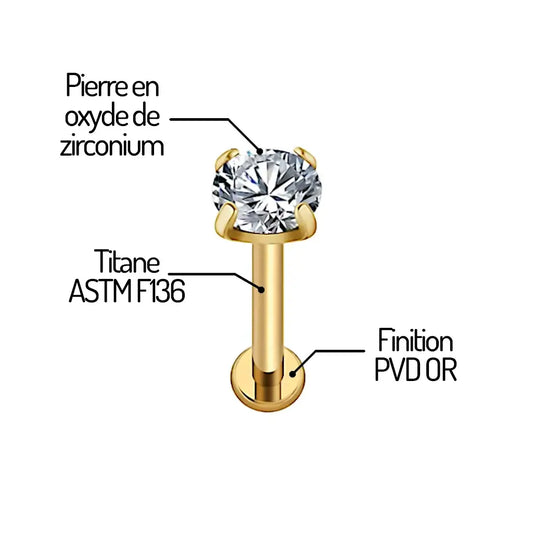

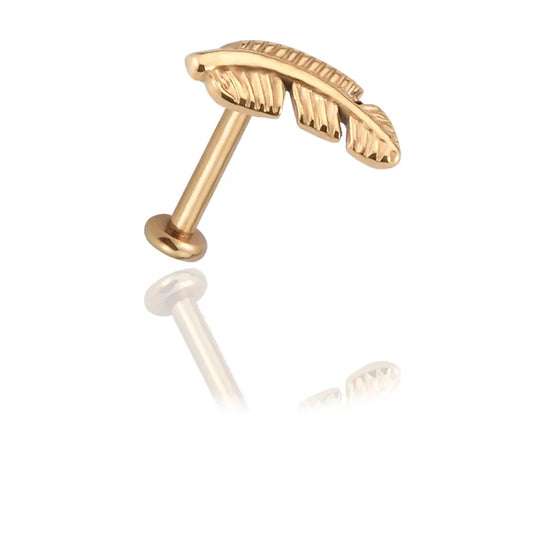

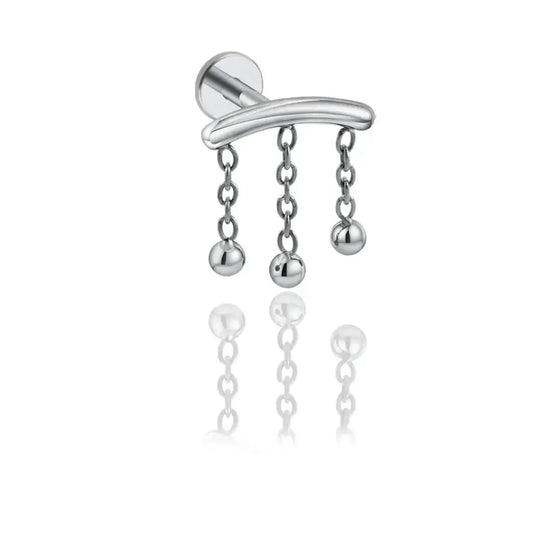
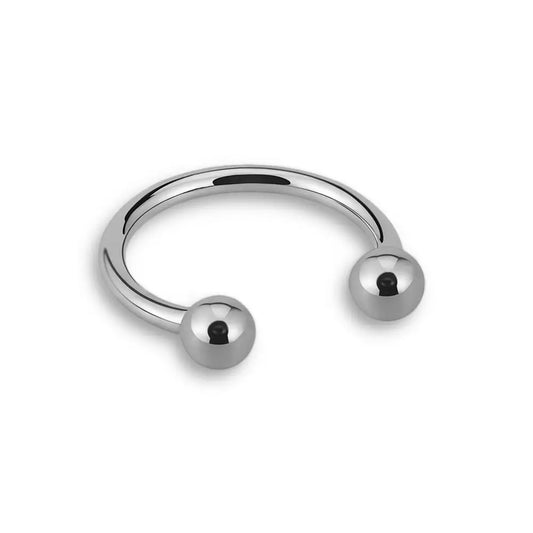
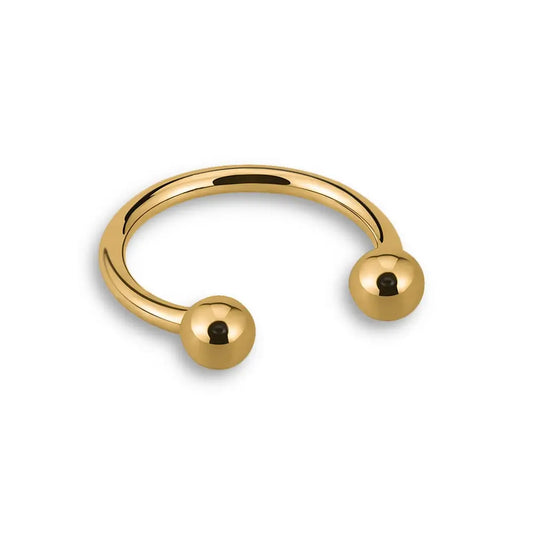

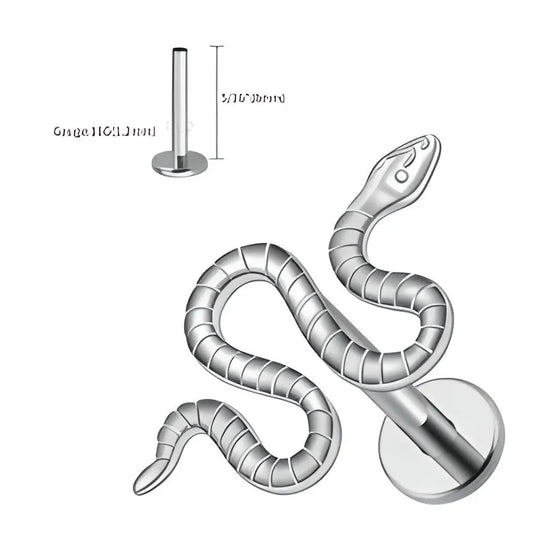

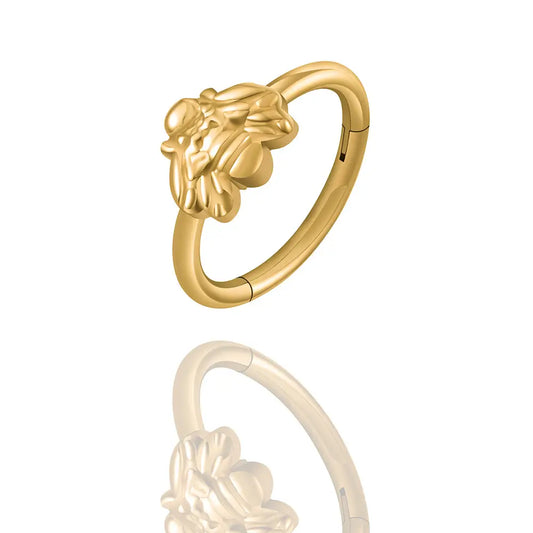

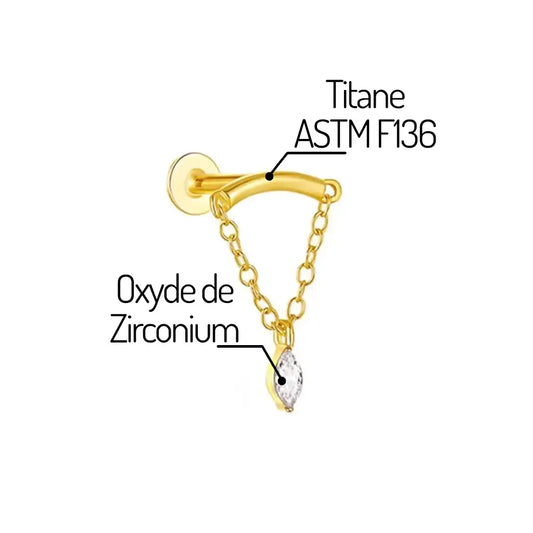

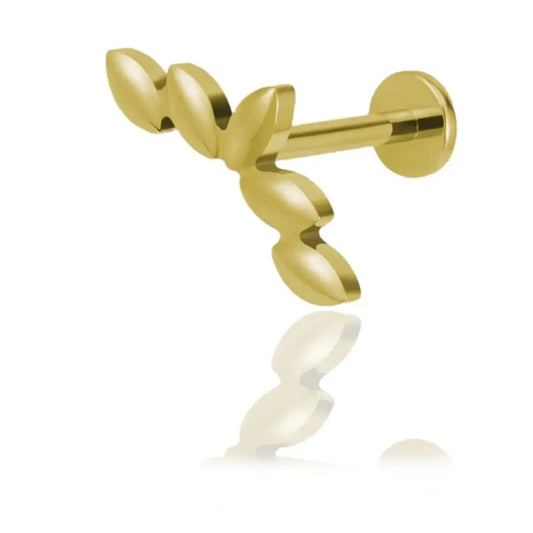

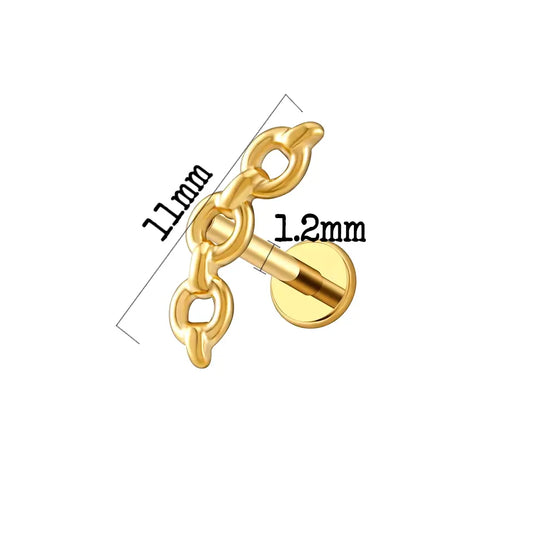

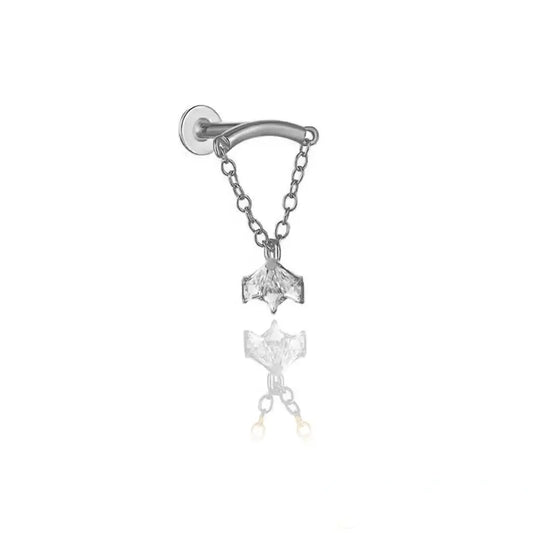
Je suis absolument ravie de ma commande ! Les deux piercings sont parfaits, exactement comme je les espérais. La présentation et l’emballage étaient particulièrement soignés, avec une très jolie attention qui m’a beaucoup touchée : une petite carte pour me remercier de ma commande, écrite dans ma langue maternelle, le hongrois. ❤️
J’ai rencontré quelques difficultés concernant la livraison de mon colis, mais le service client a été tout simplement exceptionnel : extrêmement gentil, attentionné, réactif et professionnel. Je me suis sentie vraiment accompagnée tout au long de la résolution du problème.
Un immense merci tout particulièrement à Chloé et Jean-Philippe pour leur gentillesse, leur patience et leur aide précieuse. Je leur suis sincèrement reconnaissante.
C’est tellement agréable de rencontrer une boutique qui accorde autant d’importance non seulement à la qualité de ses produits, mais aussi à ses clients.
Merci infiniment pour tout ! Je commanderai de nouveau avec grand plaisir. ❤️
Merci infiniment pour ce magnifique retour ❤️
Ça nous touche beaucoup de savoir que tu as apprécié autant tes bijoux que les petites attentions glissées dans ton enveloppe.
Et merci aussi pour ta patience concernant les soucis de livraison. On est vraiment heureux d’avoir pu t’accompagner jusqu’à leur résolution.
Ton message nous fait vraiment chaud au coeur et nous touche sincèrement, merci pour ta confiance et à bientôt, avec un immense plaisir 😊
Produit parfait, livraison assez rapide. Carte de remerciement très appréciée ❤️
Un grand merci pour ton retour 🧡🧡
Chloé & JP
Encoi rapide et soigné
Belle étoile facile à metfre
Merci beaucoup pour ce retour 🧡
Chloé & JP
Aucune allergie (de base je faisais des réactions allergique) , j’en suis hyper contente !!
Bonjour Lina, merci beaucoup pour ce commentaire ! Ta satisfaction est notre plus belle récompense.
Chloé & JP
Je suis ultra satisfaite, merci beaucoup !!
Bonjour Lina, merci beaucoup pour ton avis sur ce bijou !
Ravis qu'il te plaise :)
Chloé & JP