Infected or Irritated Piercing: Symptoms, Causes, and What to Do?

Rédigé par : Naald Piercing | Dernière mise à jour : 16 Jun 26
Updated: June 16, 2026
Written by: Jean-Philippe
Reviewed by: Chloé, professional piercer

Is your piercing red, swollen, or painful? First, you need to distinguish between irritation and infection.

An infected piercing can quickly cause concern: redness, swelling, pain, warmth, discharge... But not all signs around a piercing necessarily mean there's an infection.

A new piercing may be sensitive, slightly red, swollen, or produce a small amount of lymph during healing. However, increasing pain, significant warmth, marked swelling, yellow/green pus, spreading redness, or fever should alert you.

In this article, you will learn to differentiate between normal irritation and a possible infection, adopt the right practices, know when to consult a professional, and reduce risks with appropriate care and quality jewelry.

Does your jewelry seem to worsen the irritation?
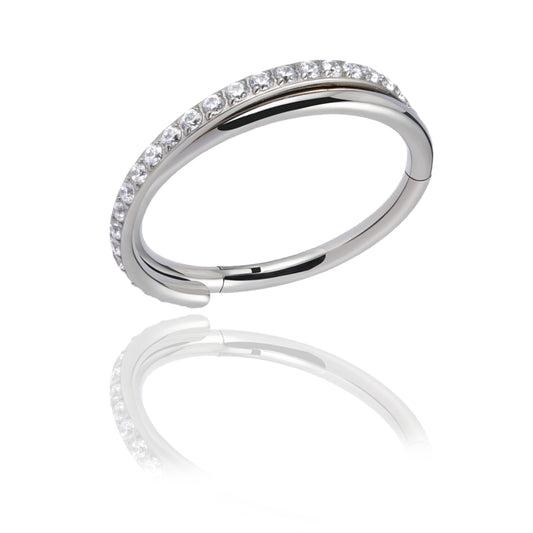
Jewelry that is too tight, too long, poorly finished, or made of a poorly tolerated material can perpetuate problems. After professional advice and when a change is possible, opt for reliable jewelry from our selection of ASTM F-136 titanium piercing jewelry.

In 20 seconds

  • A red or sensitive piercing is not necessarily infected; it might simply be irritated or healing.
  • More concerning signs include: warmth, increasing pain, marked swelling, yellow/green pus, spreading redness, fever, or malaise.
  • Do not remove your jewelry yourself if you suspect an infection: seek advice first.
  • Avoid alcohol, hydrogen peroxide, harsh products, and repeated manipulation.
  • If symptoms persist, worsen, or spread, consult a doctor.
  • Good quality jewelry and a simple care routine reduce the risk of irritation and complications.

Summary

Evaluation de notre boutique :

Infected or irritated piercing: how to tell the difference?

Confusion is common. Many people immediately think of an infection as soon as a piercing becomes red or sensitive. We hear it almost daily in piercing studios when clients come for care, saying, "my piercing is infected!" However, in almost all cases, it's just simple irritation.

Irritation is often linked to a mechanical cause: friction, snagging, jewelry that's too tight, sleeping on it, headphones, hair, clothing, or overly aggressive aftercare. It can be bothersome, but it's often reversible if the cause is corrected.

An infection, on the other hand, involves the proliferation of microbes in the pierced area. It can develop more seriously, especially if it spreads, if the pain increases, or if general signs appear.

Situation Common signs Good practice
Normal healing Slight sensitivity, small scabs, clear lymph, occasional discomfort. Gentle care, patience, avoid touching.
Irritation Localized redness, small bump, itching, discomfort after friction or snagging. Identify the cause: jewelry, pressure, clothing, headphones, hair, sleep.
Possible infection Warmth, increasing pain, marked swelling, yellow/green pus, spreading redness. Seek professional or medical advice quickly.
Urgent situation to monitor Fever, chills, malaise, rapidly progressing redness, significant pain. Consult a doctor without delay.

If you're unsure whether it's irritation, infection, or a reaction to the jewelry, don't stay in doubt. A piercer can check the jewelry and the area, while a doctor can make a diagnosis and prescribe treatment if necessary.

What are the symptoms of an infected piercing?

A piercing infection can manifest through several signs. It's not just one isolated symptom that always allows for a conclusion, but rather the combination and evolution of signs.

Signs that should raise a red flag

  • pain that increases instead of decreasing;
  • area warm to the touch;
  • intense or spreading redness;
  • marked swelling;
  • thick yellow, green, or foul-smelling discharge;
  • repeated or unusual bleeding;
  • bad odor;
  • fever, chills, or a general feeling of being unwell.

Clear discharge vs. pus: what's the difference?

A healing piercing can produce lymph, a clear or slightly yellowish fluid that dries into small scabs. This is not pus.

However, thick, bright yellow, green, opaque white, foul-smelling discharge, or discharge associated with significant pain should be taken more seriously.

To remember: a small, clear scab is not necessarily alarming. Increasing pain, local warmth, and thick pus are much more suspicious.

Why can a piercing get infected?

An infection can occur when microbes penetrate the pierced area. The causes are often related to hygiene, manipulation, or repeated trauma.

The most common causes

  • touching the piercing with unwashed hands;
  • twisting or manipulating the jewelry too often;
  • using overly aggressive products;
  • sleeping on the piercing;
  • snagging the jewelry with clothing, a towel, or hair;
  • wearing jewelry that is too tight or ill-fitting;
  • changing the jewelry too soon;
  • getting pierced in unhygienic conditions;
  • not following aftercare instructions.

A piercing is a wound in the process of healing. The more it is manipulated, compressed, irritated, or exposed to impurities, the greater the risk of irritation or infection.

To review the basics, also consult our guide: piercing healing and rules to follow.

What to do in case of an infected piercing?

If you suspect an infection, the first reflex is not to improvise. A mild and localized infection is not managed the same way as an infection that spreads or is accompanied by fever.

What you can do immediately

  • wash your hands before any contact;
  • avoid touching, twisting, or moving the jewelry;
  • clean gently according to the instructions received, without irritating the area;
  • avoid alcohol, hydrogen peroxide, essential oils, and irritating products;
  • limit friction and pressure;
  • monitor the evolution over 24 to 48 hours if the signs are mild.

What to avoid

  • removing the jewelry without professional or medical advice;
  • piercing a bump or draining discharge yourself;
  • randomly applying an antibiotic or antiseptic cream;
  • using multiple products "to disinfect more strongly";
  • urgently changing the jewelry without checking;
  • waiting if the pain, swelling, or redness worsens.

Do not remove your jewelry on your own initiative if you suspect an infection. In some cases, removal can close the surface too quickly and complicate drainage. Seek advice from a healthcare professional or an experienced piercer depending on the symptoms.

When to consult a doctor?

Consult a doctor quickly if:

  • the redness spreads around the piercing;
  • the area is very warm, very painful, or very swollen;
  • thick, yellow, green, or foul-smelling pus appears;
  • you have a fever, chills, or feel unwell;
  • symptoms persist or worsen despite care;
  • the piercing is in a sensitive area such as cartilage, nipple, mouth, or intimate areas.

The piercer can help you identify unsuitable jewelry or mechanical irritation. A doctor, however, is essential if a real infection requires treatment.

Infection of ear, cartilage, nose or navel piercings: common cases

Infected ear piercing

An earlobe can easily become irritated after a jewelry change, snagging, or repeated manipulation. Pay particular attention to increasing pain, swelling, and thick discharge.

Infected cartilage piercing

Cartilage piercings, such as helix, conch, tragus, or rook, require more caution. Cartilage heals slowly, tolerates impacts poorly, and can complicate more easily than an earlobe.

If cartilage becomes very painful, warm, swollen, or if the infection appears to spread, seek medical advice without delay.

Infected nose piercing

The nose is exposed to hands, tissues, makeup, dust, and friction. An irritated nostril or septum can quickly become sensitive if the jewelry moves or if the area is manipulated too much.

Avoid changing the jewelry too soon and have the size checked if the jewelry sinks in, pulls, or moves excessively.

Infected navel piercing

The navel is subjected to clothing, belts, high-waisted pants, sweat, and abdominal movements. Mechanical irritation is common, but significant warmth, increasing pain, or thick discharge should prompt a consultation.

Jewelry that is too short, too long, or ill-fitting can perpetuate irritation. Have the size and placement checked if the problem recurs frequently.

How to prevent a piercing infection?

Prevention relies on simple, but regular practices. It's not about "disinfecting as much as possible," but about letting the area heal without irritating it.

Good habits

  • choose a professional piercer and strict hygiene conditions;
  • wash your hands before any contact;
  • clean according to instructions, without excess;
  • avoid twisting or manipulating the jewelry;
  • avoid alcohol, hydrogen peroxide, excessive Biseptine, and irritating products;
  • limit friction, impacts, hair, headphones, and tight clothing;
  • do not change the jewelry too soon;
  • wear jewelry appropriate for the area.

For a complete routine, follow our dedicated guide: piercing care and healing.

The role of jewelry: material, size, and comfort

Jewelry alone does not cause an infection if everything is clean, but it can promote irritations that make healing more difficult. Ill-fitting jewelry creates repeated microtraumas, and an irritated area becomes more vulnerable.

Common mistakes

  • jewelry that is too short, compressing the skin;
  • jewelry that is too long, moving and snagging;
  • a ring placed too early on an area that is not ready;
  • poorly tolerated material or unclear composition;
  • poorly polished or roughly finished jewelry;
  • premature jewelry change.

For a new piercing, always follow your piercer's recommendations. For a healed piercing, or when the change is approved, choose a reliable material, consistent size, and smooth finish.

At Naald, we recommend ASTM F-136 titanium for its lightness, excellent tolerance, and everyday comfort. You can discover our selection here: all our ASTM F-136 titanium piercing jewelry.

Is your piercing stable and can you change it?

Choose reliable, well-sized, and comfortable jewelry to limit unnecessary irritations.

See all our piercing jewelry

To learn more

FAQ: infected piercing

How do I know if my piercing is infected?

The most indicative signs are increasing pain, a warm, red, and swollen area, thick yellow or green discharge, spreading redness, or general signs such as fever, chills, or malaise.

What's the difference between lymph and pus?

Lymph is often clear or slightly yellowish and can form small scabs during healing. Pus is thicker, sometimes yellow, green, or foul-smelling, and may be associated with pain or local warmth.

Should I remove the jewelry if the piercing is infected?

Not without professional or medical advice. Removing the jewelry too early can sometimes complicate drainage or close the surface. Seek advice before removing it, especially if the area is painful or swollen.

Can an infected piercing be treated with saline solution?

Saline solution can help clean gently, but it does not replace medical treatment if the infection is real, persistent, or widespread. Consult a doctor if symptoms worsen or do not improve.

When should I consult a doctor for an infected piercing?

Consult a doctor if the redness spreads, if the pain increases, if the area is very warm or swollen, if there is thick pus, a bad odor, fever, chills, or a general feeling of being unwell.

Can titanium jewelry prevent infections?

ASTM F-136 titanium does not guarantee the absence of infection, but it can reduce certain material-related irritation factors. Prevention also depends on hygiene, jewelry size, placement, and aftercare.

Conclusion

A red, sensitive, or slightly swollen piercing is not necessarily infected. It may simply be healing or irritated by friction, ill-fitting jewelry, or overly aggressive aftercare.

However, increasing pain, localized heat, significant swelling, pus, spreading redness, or fever should prompt you to seek medical advice quickly.

The right balance: simple aftercare, minimal handling, professional follow-up if needed, and appropriate jewelry when a change is possible. To limit unnecessary irritation, discover our collection of ASTM F-136 titanium piercing jewelry.

Note: This article is for informational purposes only and does not replace medical advice. In case of doubt, fever, severe pain, or worsening symptoms, consult a healthcare professional.

Sources