
Bleeding Piercing: Causes, Solutions, and When to Worry?

Rédigé par : Naald Piercing | Dernière mise à jour : 13 Jun 26
Updated: June 13, 2026
Written by: Jean-Philippe (Naald)
Reviewed by: Chloé, professional piercer

Is your piercing bleeding? Here's what you need to know

Should you worry about a bleeding piercing

Having a bleeding piercing can be alarming, but in most cases, there's no need to panic. Whether your piercing is new or has been healed for a long time, several factors can explain this phenomenon. This article will help you identify the causes of bleeding, adopt the right actions to remedy it, and know when to consult a professional.

In 20 seconds

  • A slightly bleeding piercing is not always a cause for concern, especially if it's new or has been snagged.
  • Common causes include bumps, rubbing, overly tight jewelry, aggressive aftercare, or repeated handling.
  • The right reflex: don't panic, clean gently if necessary, then avoid touching the jewelry.
  • Seek prompt attention if the bleeding is heavy, doesn't stop, or is accompanied by warmth, severe pain, swelling, or pus.
  • If the problem recurs frequently, the jewelry may be ill-fitting: size, shape, material, or finish.

Why might a piercing bleed? (Common causes)

🔹 A bump or snag: An accidental hit, snagging with a hairbrush or clothing can cause slight bleeding.

🔹 A new piercing that is healing: It is normal for a piercing to bleed occasionally in the first few weeks after it's done.

🔹 Ill-fitting or overly tight jewelry: Excessive pressure on the pierced area can cause irritation and micro-lesions.

🔹 Inadequate aftercare: Using aggressive products (alcohol, peroxide, unsuitable soap) can dry out and weaken the skin around the piercing.

🔹 Skin reaction: The skin around the piercing can become more sensitive due to cold, dryness, or repeated rubbing.

🔹 Iron deficiency or a coagulation disorder: Some people bleed more easily, especially if they have an iron deficiency.

Piercing bleeding after 1 month, 3 months, or 6 months: is it normal?

Slight bleeding can occur after several weeks or months if the piercing has been snagged, rubbed, compressed, or handled. This does not necessarily mean the piercing is infected, but it often indicates that the area has been irritated or weakened.

After 1 month, some piercings are still very sensitive. After 3 or 6 months, bleeding should prompt you to look for a specific cause: overly tight jewelry, a bump, sleeping on it, headphones, clothing, hair, changing jewelry too soon, or overly aggressive aftercare.

If the bleeding recurs regularly without an obvious cause, have the piercing checked by a professional. They can verify the size of the jewelry, its material, its positioning, and the state of healing.

Evaluation de notre boutique :

How to stop a piercing from bleeding?

✅ Don't panic: Stay calm and identify the source of the bleeding.

✅ Use a sterile compress: Gently dab the area with saline solution or lukewarm water.

✅ Avoid removing the jewelry immediately: Unless there is intense pain or persistent discomfort, it is best not to remove the jewelry to prevent the hole from closing.

✅ Monitor its progression: If the bleeding is slight and stops quickly, there is no need to worry.


Should you be concerned? (Warning signs)

📌 If you notice any of the following symptoms, a consultation may be necessary:

  • The bleeding is heavy and does not stop after several minutes.
  • The area around the piercing shows intense redness, swelling, or an unusual sensation of warmth.
  • Persistent pain or increasing discomfort appears after several days.
  • You feel general discomfort or unusual fatigue.

In these cases, it is advisable to consult a professional piercer or a doctor to assess the situation.


How to prevent future bleeding?

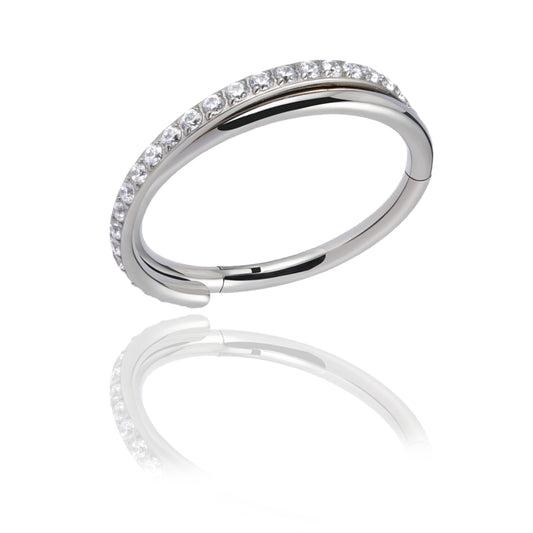
🔹 Choose your jewelry carefully: jewelry that is too tight, too long, poorly finished, or ill-fitting can cause rubbing and micro-lesions. When your piercing is stable or your piercer approves the change, opt for reliable, well-sized, and comfortable jewelry, like our ASTM F-136 titanium piercing jewelry.

🔹 Avoid touching your piercing unnecessarily: Each manipulation increases the risk of irritation.

🔹 Sleep on the correct side: If the piercing is on the ear, favor the other side to avoid excessive pressure.

🔹 Pay attention to clothing: Scarves, hats, and turtlenecks are often responsible for snags.

🔹 Use gentle products for aftercare: Saline solution is sufficient for effective cleaning without irritating the skin.

FAQ: bleeding piercing

Is it normal for a piercing to bleed?

Slight bleeding can be normal right after insertion, or after a bump, snag, or irritation. However, heavy, repeated bleeding, or bleeding associated with significant pain, should be monitored.

My piercing is bleeding after 1 month, is this concerning?

Not necessarily. After 1 month, many piercings are still healing. Bleeding can come from rubbing, overly tight jewelry, a snag, or overly aggressive cleaning.

My piercing is bleeding after 3 or 6 months, what should I do?

First, look for a mechanical cause: sleeping on it, clothing, headphones, hair, phone, jewelry change, pressure, or snag. If the bleeding recurs frequently, have the jewelry and healing checked by a piercer.

Should I remove the jewelry if a piercing is bleeding?

No, not without professional advice. Removing the jewelry too early can complicate healing or cause the channel to close. In case of severe pain, swelling, or suspected infection, seek advice before making any decision.

When should I consult for a bleeding piercing?

Consult if the bleeding is heavy, doesn't stop, recurs frequently, or is accompanied by warmth, intense redness, swelling, pus, bad odor, fever, or discomfort.


To summarize

A bleeding piercing is not necessarily a worrying sign, but it is important to adopt the right reflexes. By identifying the cause, applying adapted aftercare, and avoiding risky actions, you can promote good healing and minimize discomfort.

You can also consult our article on piercing rejection to know how to spot it.

📌 Need advice or quality jewelry? Discover our selection of ASTM F-136 titanium jewelry, specially designed for the comfort and safety of your piercing.

Take care of yourself and your piercings! 😊

To go further